
find what you’re looking for

BLOG

Construction-Financing-for-a-Custom-Home

How Does Construction Financing Work When Building a New Custom Home?

Construction financing for a custom home is a specialized type of loan designed to provide funds over the course of a home construction project, rather than as a lump sum like a typical mortgage. Below is an overview of how the new-build home construction financing process typically works. Pre-Approval Before you begin construction, or sometimes even before purchasing a lot, it’s a good idea to meet with a lender to get pre-approved. This will help you understand how much you can borrow and what the terms might look like. Loan Types Construction-only loan: This is a short-term loan, typically for about a year, that covers only the cost of building your home. Once construction is complete, you must refinance the loan into a traditional mortgage or pay it off in another manner. Construction-to-permanent loan: Also known as a “one-time close” loan, this loan covers the construction period and then converts
Read More
Best-Kitchen-Design-Ideas-for-Custom-Homes

What Are Some of the Best Kitchen Design Ideas for New Custom Homes?

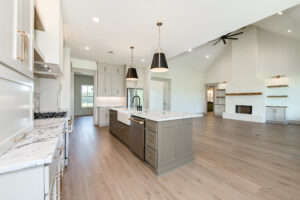
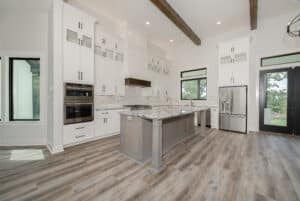
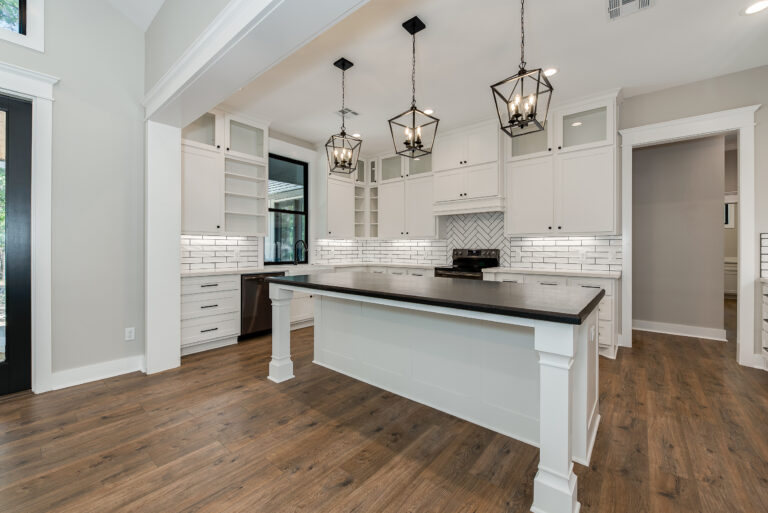
When it comes to designing your dream custom-crafted home, your kitchen should be exciting. Will you have a bright, open space with plenty of natural light and room for hosting? Or maybe you prefer a more practical cooking space so you can organize your cookware out of sight. Designing a kitchen for a new home offers the opportunity to create a space that is both functional and aesthetically pleasing. Below are some popular kitchen design ideas to consider. Open Concept An open kitchen concept in your newly built custom home merges the kitchen with the living or dining room, creating a sense of spaciousness. This floor plan is great for socializing and keeping an eye on kids while cooking. Island Centerpiece A large central island can be a focal point in your ideal dream home, providing additional counter space, storage, and seating. Consider adding a sink or cooktop to make

Read More
Land-Preparation-and-Grading-for-Custom-Home

What is Involved in Land Preparation and Grading When Building a New Custom Home?

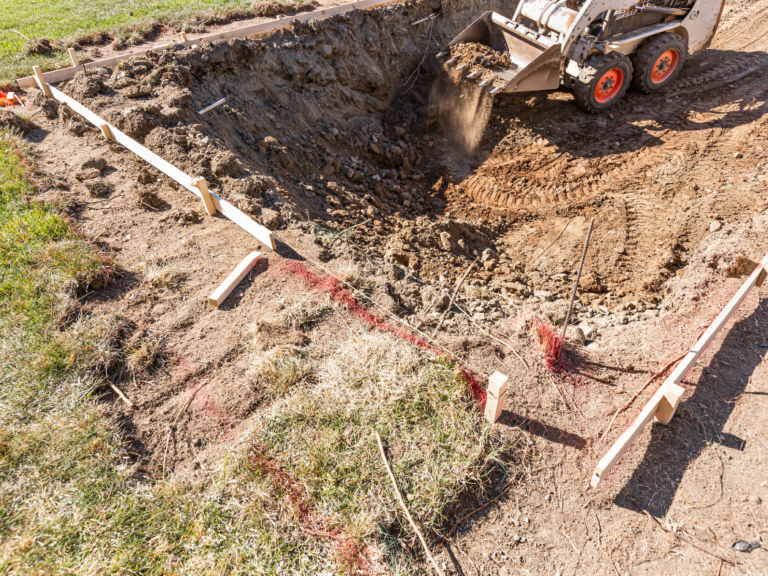
Land preparation and grading are vital initial steps when building a new custom home. Properly prepared and graded land ensures that the home’s foundation is solid, minimizes potential future structural issues, and provides adequate drainage away from the home. Below are the general steps and considerations involved. Survey and Site Assessment Before you can begin building your custom home, you will need to have a topographic survey conducted to understand the natural lay of the land. This assessment will identify any easements, setbacks, or other zoning requirements and help builders locate natural features you want to retain, like trees, boulders, or water bodies. Clearing and Demolition After the initial assessment of the building site, unwanted vegetation, trees, shrubs, and any existing structures will need to be removed. Stump removal might be necessary if trees are cleared. Remember to recycle or repurpose materials whenever possible. Soil Testing Your custom home builders

Read More
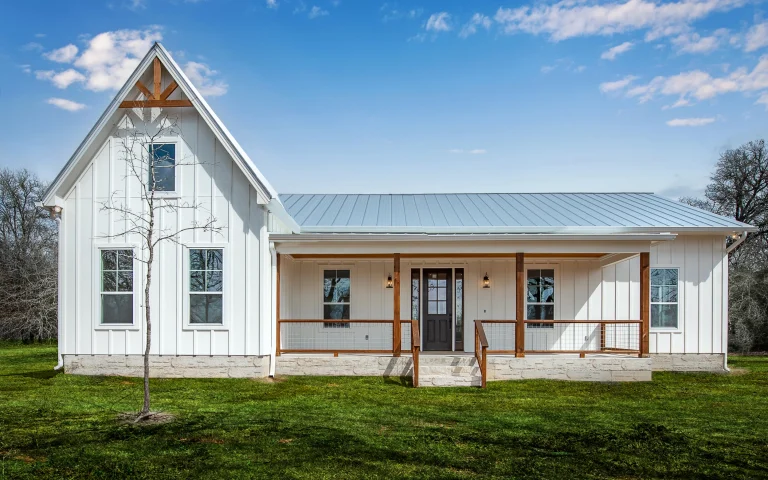
Image of a custom home build

How Much Does It Cost to Build a Custom Home?

Building your custom dream home, is an investment of your time, money, and energy, but the benefits include having a luxuriously designed space that is tailored to your lifestyle and needs. One of the biggest considerations to keep in mind when designing your ideal home is the cost. At Lafollette Custom Homes, our custom homes typically cost between $200-$250 per square foot. When considering your budget for a project, here are the main drivers of cost in custom homebuilding to keep in mind.  Site Preparation and Foundation Where will your dream home be located? The location as well as the land itself will impact your overall cost. Building sites that have poor soils, a high degree of slope, creeks or ravines, or that contain rock that must be excavated can add a significant amount of cost to a building project. Complexity of Design Custom-designed homes with steep, complex roofs, very tall

Read More
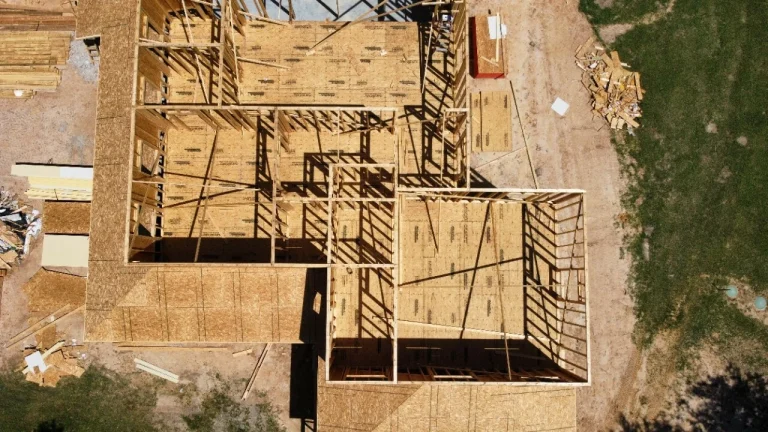
Photo of framed out house during new construction

Price Per-Square-Foot: What Does it Tell You About Your Custom Home Construction?  

When considering the budget required for a new home build, homeowners often look at the price per square foot. This is a commonly used metric that can offer insights into the potential budget needed for a project, however, it also has its limitations. Here’s a breakdown of what the price per square foot of your new custom-built home does and doesn’t tell you. The price per square foot does not tell you:  Land Costs The per-square-foot cost of a custom-designed and built home usually refers to the structure itself and doesn’t typically include the cost of the land. Site-Specific Costs These are costs related to site preparation, excavation, grading, and utilities that may not be included. Especially challenging or unique terrains might have additional costs. High-End Finishes and Features. The basic cost-per-square-foot quote you get from a custom-build contractor might not account for more expensive finishes, customized features, or high-end

Read More
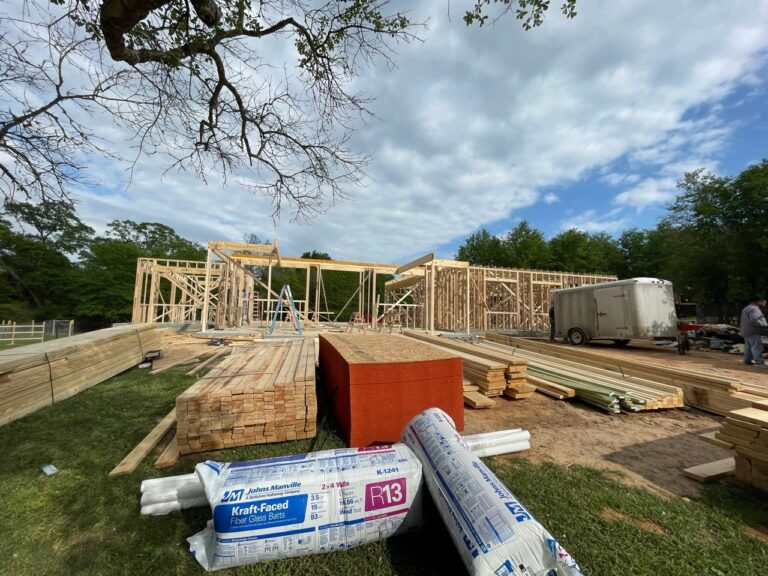
How long does it take to build home 1

How Long Does it Take to Build a Custom Home

Building your dream home takes vision, creativity, and trust in a reliable custom home builder to bring your new home to life. Because of the level of customization and attention to detail, building a custom home often takes longer than moving into a home that has already been built. How long can you expect the custom home-building process to take? The timeline can vary significantly depending on various factors, but you can generally expect the process below.  Planning and Design The first step in building your custom home is the planning and design stage. This typically lasts anywhere from 1 to 3 months. This phase involves meeting with your architect, draftsman, builder, and interior designer to properly plan the building project based on your unique desires for your home.   The complexity of your design and the efficiency of your design team can greatly influence the amount of time this stage

Read More
birck stone or stucco 1

Brick, Stone, or Stucco: What to Consider When Building a Custom Home

Choosing the right exterior material for your custom-built home is about more than aesthetics. You should also take into consideration how it affects your home’s durability, maintenance requirements, initial build cost, and long-term energy efficiency. Brick, stone, and stucco are the top three most common exterior materials we see used for custom homes. Below are the considerations you should consider when choosing the right material for your new home.  Aesthetic Appeal The overall exterior aesthetic appeal of your home is incredibly important for improving your home’s curb appeal and for ensuring that your home reflects your unique style and preferences.  Brick is a popular choice for homeowners because it’s available in a variety of colors and finishes and offers a timeless, classic look that won’t go out of style.  Stone provides a natural, rustic, and sophisticated appearance for your home, and there are various types to choose from, such as

Read More
Fix-Price-Contract Versus-Cost-Plus-Contract

Fix-Price Contract Versus Cost-Plus Contract: Which is Best When Building a New Home?

When building a new custom home, a fixed-price contract, and a cost-plus contract are two primary contract structures that homeowners and builders might consider. Both have their advantages and disadvantages, depending on the specific situation and the parties involved. Here are some reasons why some people might prefer a fixed-price contract over a cost-plus contract: Budget Certainty With a fixed-price contract, new-build homeowners know the exact price they will pay for the completed home, which allows for precise budgeting. This certainty can be particularly important for individuals who have strict financial constraints. Risk Transfer In a fixed-price contract, the risk of cost overruns is borne by the contractor, not the homeowner. If unforeseen issues arise that increase costs, it’s typically the contractor’s responsibility to absorb those additional costs. Simplified Financial Management A fixed price means there’s no need to continually monitor and approve every expense of your custom home. This

Read More

Your dream home is only a phone call away

When you are ready for a builder who understands your family’s dreams and desires, talk to our family at LaFollette Custom Homes. Our team of Custom Home Consultants will guide you through the process from start to finish.